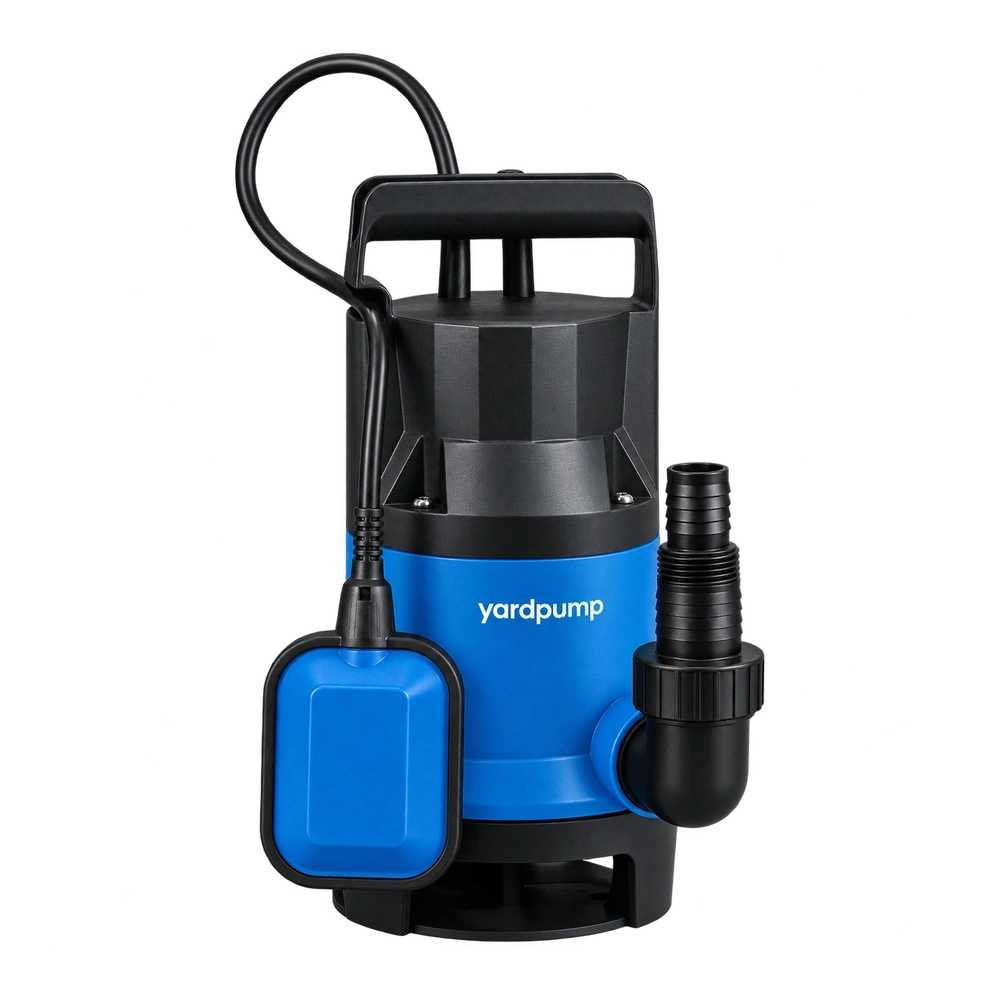
A pump cord fits through the sump cover, but will that opening protect it during vibration and later servicing? Treat the cover, grommet and actual cable as a matched assembly. Edge condition, fit and repeated movement can concentrate wear on a short section of jacket. If damage is found, isolate the supply and have qualified personnel assess the electrical condition rather than covering it with tape and returning it to service.
How the cord and grommet fit together
A sound cable entry at the pump does not protect the jacket where it crosses another panel. A sharp edge, undersized grommet, eccentric compression or insufficient slack creates rubbing during vibration and cover removal. An oversized hole can lose sealing or let the grommet escape, so the cover, grommet and actual cable diameter form one assembly.
The grommet must remain seated in the lid and fit the cable profile. An oversized passage can permit repeated sliding at one location; excessive squeeze can distort the jacket. Lid thickness, opening dimensions, the grommet groove and the cable cross-section all matter. Hole count or nominal diameter alone is an incomplete purchase specification. Where several cords pass through a cover, each needs a permitted passage rather than an extra cut beside an existing hole.
Inspect contact points with power isolated
Record cable diameter and cover/grommet revision. Inspect both faces for burrs, moulding flash and hard steps. After approved assembly, confirm full grommet seating, no cable pinching when the lid is fastened, and adequate slack for the float and plug. Reproduce the approved service opening motion and watch whether the edge drags the cord. Qualified personnel handle electrical tests.
With power isolated, inspect both sides of the opening for burrs, cracks and sharp edges. Check that the grommet is intact and fully seated, and look for flattening, cuts, whitening or wear on the nearby jacket and bend. Do not repeatedly pull the cord through the opening as a crude wear test. A satisfactory appearance does not replace any required electrical assessment. Continued motor operation is not evidence that a damaged cord is safe.
Include the service movement. Lid lift, pump removal direction, plug clearance and the available cord slack determine what is pulled during maintenance. Too little slack can load the pump entry or grommet as soon as the lid moves. Too much loose cord can enter the float path. Verify lid replacement and the complete float travel after routing the cord. The cover grommet must not be treated as the pump entry's independent strain-relief system.
Include cover removal in the assessment
Illustrative stack: cable diameter is 8.0–8.4 mm while a grommet’s useful range is 8.2–9.0 mm. An average 8.2 mm looks compatible, yet the smallest cable may be loose and the largest over-compressed. The values are examples; acceptance must evaluate limits and retention.
Importers can request the mating dimensions for the pump cord and cover, then confirm the actual assembly: cable passage, grommet retention, absence of sharp contact and removal without jacket tension. For illustration, two cables with the same nominal diameter may differ in roundness and contact differently inside one grommet. That is a reason to assess the actual supplied parts, not a universal cable-roundness limit. Retain the checked cover and cable revisions with the acceptance record.
Verify mechanical protection and sealing separately
Where the lid also restricts soil-gas entry, verify mechanical protection and sealing separately. A grommet gripping the cord does not establish the original system's air seal, and added caulk cannot replace a compatible component. Before a compact sump pump or cable is substituted, confirm that the cover interface remains suitable. Have the installer restore the specified sealing and service arrangement so that replacing the pump does not leave a hidden wear point beneath the lid.
Frequently asked questions
Is a softer, tighter grommet always safer?
No. Excess compression can damage the jacket; insufficient compression can release or leak.
Does an unbroken jacket pass inspection?
One visual check is insufficient. Assembly, service movement and required mechanical/electrical checks matter.
May an installer enlarge the hole?
That changes cover strength, grommet retention and sealing and requires approval.