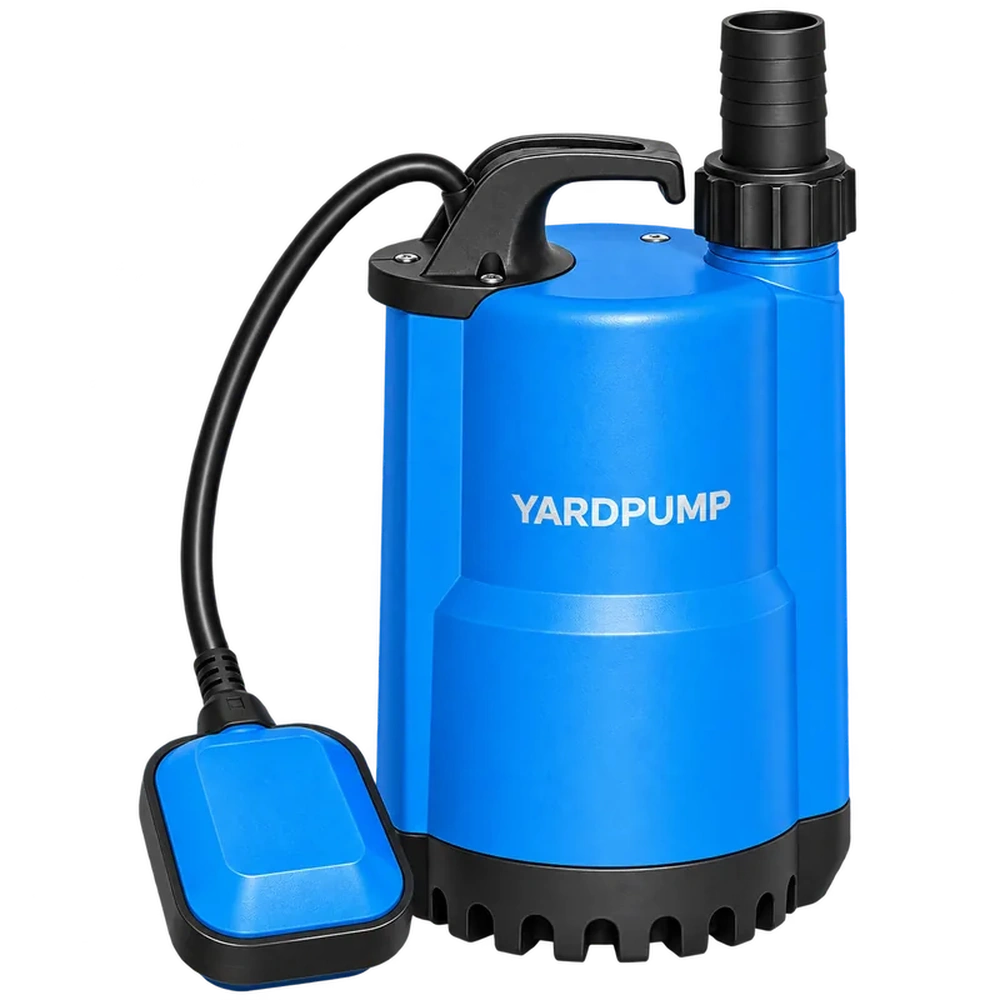
Imagine a low part of a building has two independent sump pits. Each has its own backup pump for a power outage. The maintenance team wants one battery to look after instead of two. Do not make that decision from the amp-hour label or the appearance of the terminals. A shared supply is worth considering only if the pump, controllers, charger and battery arrangement are approved together and can support overlapping starts and operation. Sharing a supply can also create one failure that disables both pits.
Capacity is different from simultaneous load
Amp-hours describe capacity under stated conditions. The battery must also deliver current while keeping voltage within the controllers' allowed range. A starting motor may draw more than it does while running, and a controller can stop if supply voltage falls too far. Battery condition, temperature and voltage drop in the connections affect the result. Doubling a one-pump trial does not establish that both pumps will start. Do not combine independent chargers or change wiring simply because the labelled voltages match. Charging, protection and compatibility are properties of the approved arrangement.
For illustration, suppose the backup pumps draw 28 and 32 amperes while running at their respective installed heads. Their overlapping steady demand is about 60 amperes before controls and starting transients are considered. A battery marked 60 amp-hours does not thereby establish acceptable terminal voltage at 60 amperes, or guarantee one hour of operation. Even when the pits seldom rise together in normal service, one storm, a common power outage and water returning to both pits can make the starts overlap.
Get the system documents before asking for a test
List the two pumps and controllers, their supply voltage, approved battery types, charging arrangements, expected loads and alarms. Ask the supplier whether it has an approved shared two-pump design. Find out which wiring and protection are part of the approval and what happens at low voltage. Where a shared design is approved, qualified personnel can use its prescribed test to observe one pump at a time, overlapping operation and plausible simultaneous starts. They should also record each pit level, alarm behaviour and recovery after loss of normal power. Do not create an outage by handling plugs in a wet area, or bypass fuses, undervoltage or level protection.
Make the test conditions useful. Record battery state, permitted ambient conditions and delivered flow at each pit. Lights on a controller with a fully charged new battery and no pumping load do not demonstrate runtime. If there is no approved shared design, keep the approved supplies separate. A common monitoring arrangement or a coordinated maintenance visit may still reduce work without combining the circuits that have to run the pumps.
Decide how much independence each pit needs
Consider what each pit would do if the one battery became unavailable, a shared protective device opened, or the charger failed. The consequences are different if one pit protects electrical equipment, has a low overflow point or has no other approved discharge path. Verify who receives the alarm and how much storage remains before help can arrive. A written acceptance decision should say how each pit is protected when the other starts and what is lost if a shared component fails. “Use a larger battery” is not a complete decision.
If an installer measures a short voltage drop during one controlled trial, record when it occurs. Starting behaviour and usable pumping duration are separate results. A supply that starts both pumps once still needs evidence that it can support the expected discharge duty within the manufacturer's limits.
Frequently asked questions
Can we share the battery if the starts are staggered?
Staggering addresses one starting condition. The approved architecture, overlapping running load and consequences of shared failures still need to be checked.
Can two identical batteries simply be connected in parallel?
Matching labels are not enough. Battery management, charging, protection and parallel use must be assessed within an approved system.
How should battery ageing be considered?
Follow the approved check for battery condition and installed pumping duty, and keep a record of condition and replacement dates.