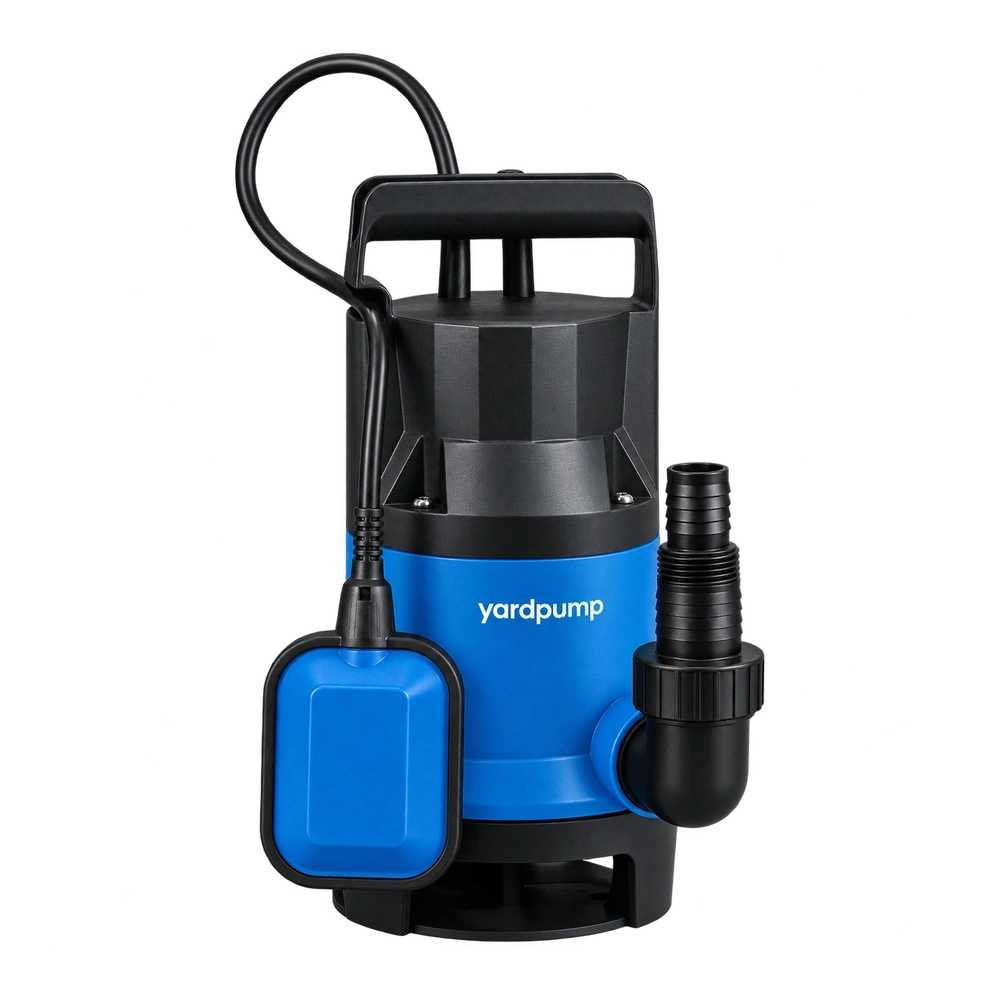
Suppose a small submersible pump feeds two garden zones from a rain tank. The first zone closes, the other takes over, and a pipe near the first valve makes one sharp sound. The pump never stops. Start with the valve timing before replacing the pump or check valve. A quick closure can change water velocity suddenly and send a pressure wave through the line even while the motor runs. Separate that brief event from the sustained conditions after the valve moves and from mechanical vibration of the pipe.
Closing speed and the remaining flow path are separate matters
Moving water loses momentum quickly where a valve shuts. The change travels through the water and pipe. Closing time, flow before closure, line length, material and supports influence what happens. A short flexible hose and a long rigid branch should not be assumed to behave the same. A check valve may move in response, but it need not be the first trigger. A loose pipe can also strike a support and transmit the sound toward the valve. Sound does not give a pressure value.
If the first zone closes before the next opens, the pump may enter a period of restricted or no delivery. Pressure can hold at a different level while the valves stay in that state. This is a new operating condition rather than the brief wave produced by the movement. Some equipment does not permit a closed outlet at all. Do not recreate a no-flow state for diagnosis. Find the allowed combination of pump, valve and controller before deciding how zones should change over.
Use normal operation to identify the event
From a safe place, line up the start and stop of visible delivery, the valve states, the pump indicator and where the sound occurs. Work from an existing normal run or an approved commissioning sequence. One sound at valve closure while the pump keeps running and service then settles points toward the valve and local line. A longer rise in pressure or interruption in delivery between zones calls for checking whether a flow path is available and whether the control matches the equipment. A pipe striking a bracket can justify inspection of the supports without establishing a hydraulic surge. More than one issue may be present.
If pressure needs measuring, qualified personnel should use suitable measuring points, instrumentation and recording speed for the authorised operation. An ordinary mechanical gauge may miss a short pulse. Isolate the pump and have any pressure safely relieved before opening or adjusting a fitting. Do not pinch a live hose, close the main outlet to force a reaction or bypass protection. Stop if there is appreciable pipe movement, leakage or a loose connection, and retain the installation layout and normal controller programme for service.
Match the change to the evidence
As an illustration, a sound occurs when valve one closes. The pump remains on, valve two is already in its approved open state, and stable delivery resumes. Compare the valve movement, restraints and any suitable transient measurement before replacing a check valve. A different record shows both valves closed for part of the transition and little delivery. That requires checking whether the sequence creates an unacceptable pump condition. Neither example specifies overlap time or a closing speed. Opening both zones together might leave too little pressure or move the pump outside its permitted range.
For handover, record the actual valve models, closing behaviour, acceptable pump duty points and pipe pressure conditions. A suitable change may concern valve control, switching order, support or surge management. Use the actual evidence and the approved arrangement. A quiet valve label does not establish safe changeover throughout an installation.
Frequently asked questions
Can there be water hammer without the pump stopping?
Yes. Rapid flow changes at a valve can produce a pressure wave. Identify the timing and operating conditions.
Will a slower valve always fix the problem?
No. It depends on the valve, pipework, duty and approved control. Do not modify valves or protection as an experiment.
Can a steady pointer rule out a short pressure wave?
No. The measuring point and instrument must suit the time scale. Have qualified personnel select the method if a transient needs measuring.