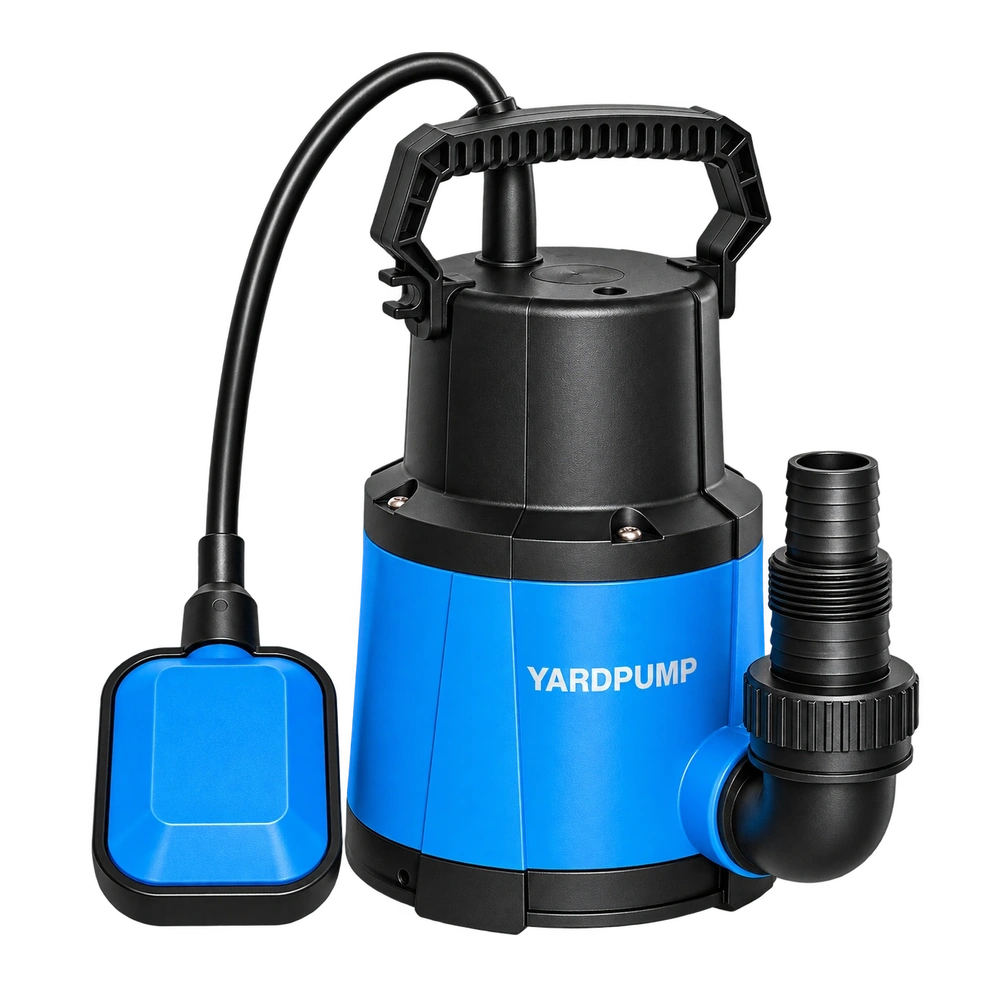
A plastic submersible pump changes sound and current for a moment as a test route switches. The tachometer display hardly budges. Is that evidence that the motor did not slow? Find out what the display represents: the last measurement, the average over a window, or a value that stays on screen until a new calculation is available. A steady value can be useful on a settled duty point. It does not exclude a short speed dip. Diagnosing the order of load, supply and speed changes calls for a common timeline.
Distinguish three time settings
The number of reliable pulses per turn shapes the raw data available. The calculation window determines how much history enters each result. Refresh determines how often an operator sees a changed number. A display that updates every second may gather many pulses between updates. Logging ten values per second may still return overlapping averages over a much longer interval. Some devices also hold the last good result after losing the signal. On a closed plastic pump with no suitable optical path, a spot reading pointed at the case is not a shaft-speed measurement. Reflections, water films and repeated blade features are possible signal errors. Check the signal first, then whether the averaging hides an event.
For illustration, suppose actual speed is usually 2,850 rpm and drops to 2,550 rpm for 0.2 seconds during a route change. If the other 1.8 seconds are at 2,850, a two-second equally weighted average covering the whole event is about 2,820 rpm. The display never shows the bottom of the dip or how long it lasted. A window offset from the event can show less change still. Those values show an averaging effect, not a permissible dip or pump specification.
Verify the instrument before explaining the motor
Use a reference speed or an approved signal fixture to verify the pulse interpretation, update rate and response when the signal drops out. For the pump comparison, an authorized rig should provide timestamped raw pulses or a reliable transient speed output. Align it with the supply, route or load event, and the available flow or pressure output. If different channels respond at different speeds, preserve their timing rather than lining up unrelated screen readings by eye. Where a fixture changes the wet end or cooling conditions compared with the production pump, record that limit. Do not open the case on a running pump to create a sightline. Electrical and rotating equipment testing belongs on a guarded bench operated by qualified people.
Repeat the same event at comparable conditions. Does the dip follow a load step? Is it accompanied by a supply drop? Are pulses missed? If only the displayed speed channel changes while a reference remains steady, investigate the measurement. A repeatable change seen on an independent speed trace, at the same time as a relevant hydraulic or electrical event, justifies further diagnosis. Retain unsmoothed records as well as any summary trend. Report steady speed, event minimum and duration as separately defined results rather than replacing a rated value with one of them.
Match the measurement to the decision
For steady running speed, an agreed average after stabilization is useful. For a complaint about a brief load change, missed restart or intermittent overload, the method must resolve the event. Check the measurement against the actual model, liquid and cooling conditions. A neat number without a stated window cannot decide whether to change an impeller, a supply, or a way of taking data.
Frequently asked questions
Will a faster display setting reveal the minimum speed?
Not if the internal calculation still averages over the same long window. Check the acquisition and output timing first.
Can motor current substitute for a speed measurement?
It can indicate a load or supply event, but it does not give shaft speed. Use a reliable independent speed channel when that distinction is needed.
Can I rely on the tachometer’s minimum hold?
A minimum could be a signal error and carries little timing context. Keep a suitably resolved speed trace and the conditions of the event.